

MEMORY FOOD MADE WITH BLUEBERRIES
by Irene Baron with GROK
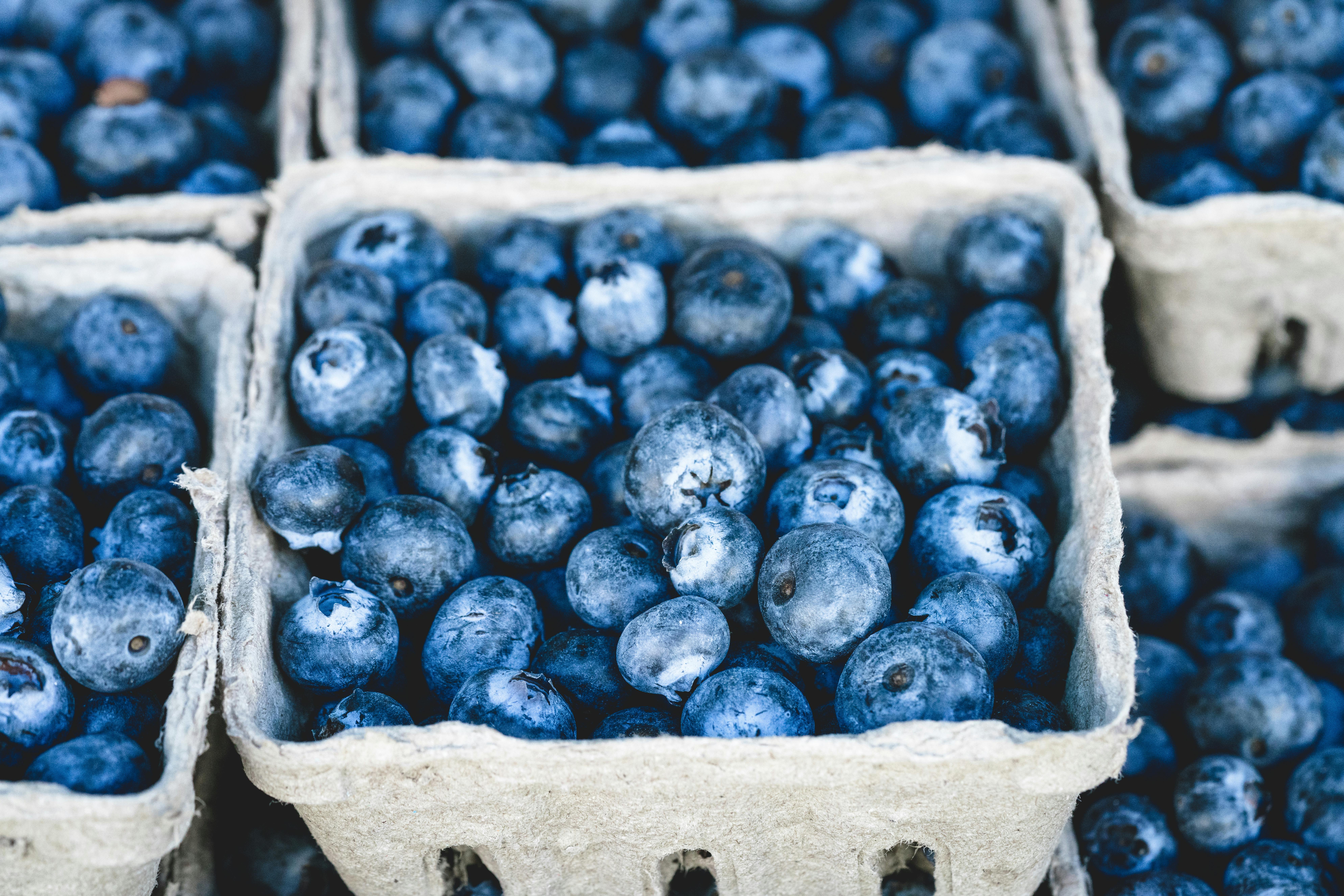
The “memory restorative food made with blueberries” that gained attention in research circles (especially from studies on neurodegenerative diseases like Alzheimer’s) typically refers to a specific blueberry-based formulation developed by Dr. Robert Krikorian at the University of Cincinnati and later refined in clinical trials. It is not a single fancy recipe, but rather a concentrated wild blueberry powder or extract used in studies. However, people often try to replicate the cognitive benefits at home with a simple, evidence-inspired recipe.
Blueberries are being touted as boosting memory and used as a morning restorative for all ages. This is the closest real-world home version that mimics the studied “memory-restorative” blueberry intervention:
Simple Daily Blueberry Memory Boost (based on the amounts used in human trials)(Equivalent to ~1 cup–1.5 cups of fresh wild blueberries per day, the dose repeatedly shown to improve memory and slow cognitive decline)
Ingredients (single serving):
- 1 cup frozen wild blueberries (Wyman's is the brand most often used in studies – they are smaller, darker, and much higher in anthocyanins than cultivated blueberries)
- ½ medium banana (for creaminess and potassium)
- ½ cup plain unsweetened Greek yogurt or kefir (for protein and probiotics)
- 1 tablespoon ground flaxseed or chia seeds (omega-3s and fiber)
- Optional: a handful of spinach or kale (doesn’t change taste much)
- Optional: ¼ teaspoon cinnamon (shown to have synergistic effects with blueberries on brain health)
- A splash of unsweetened almond milk or water to blend
Instructions:
- Put everything in a blender.
- Blend until smooth (30–60 seconds).
- Drink once daily, ideally with breakfast.
Why this works (summary of the science):
- Wild blueberries have roughly 2–4× the anthocyanin content of regular blueberries. Anthocyanins are the pigments that cross the blood-brain barrier and directly reduce neuroinflammation, increase BDNF (brain-derived neurotrophic factor), and improve memory function.
- Human trials (e.g., Krikorian et al., 2010, 2016, 2021) using the equivalent of 1–1.5 cups of wild blueberries daily showed:
Even simpler version (if you don’t want to blend):
Just eat 1 cup of frozen wild blueberries every morning (let them thaw overnight in the fridge or microwave for 30 seconds). Many participants in the original studies simply ate them plain or mixed into oatmeal/yogurt.
That’s essentially the “recipe” behind the famous memory-restorative blueberry food you’ve probably heard about. No exotic ingredients required — just consistent daily wild blueberries at the researched dose.
Other brain-boosting berries
Here are the berries with the strongest human clinical evidence for brain health and memory improvement (beyond blueberries). Ranked roughly by strength of evidence + practicality:
-
Wild Blueberries – Still #1 (highest anthocyanin density of any berry)
-
Concord Grapes (or pure Concord grape juice)
-
Blackcurrants
-
Elderberries
-
Bilberries (European wild blueberry)
-
Açaí berries
-
Maqui berries
Quick “Top-Tier Brain Berry” daily mix you can make at home
(Combines the three with the strongest human evidence)
- ½ cup frozen wild blueberries
- ½ cup frozen blackcurrants (or 1 tbsp blackcurrant powder)
- ½ cup frozen bilberries OR more wild blueberries
- ½ cup frozen or fresh dark cherries (bonus: high melatonin + anti-inflammatory)
- Blend with kefir or water
This mix delivers a broader spectrum of anthocyanins and consistently beats single-berry interventions in lab comparisons.
Bottom line: If you only add one more berry beyond wild blueberries, make it Concord grapes (easiest and cheapest) or blackcurrants (highest potency per gram).
Omega-3 brain foods
Top Omega-3 Foods for Brain Health
(Ranked by EPA + DHA content – the two omega-3s that directly benefit the brain)
| Rank |
Food (serving) |
EPA + DHA per serving |
Notes / Best way to eat |
|---|---|---|---|
| 1 |
Wild salmon (3–4 oz / 100 g cooked) |
1,200–2,400 mg |
Highest & cleanest source. Eat 2–3×/week |
| 2 |
Sardines (3–4 oz canned in water/oil) |
1,000–2,000 mg |
Cheapest high-dose source. Skin & bones = extra calcium |
| 3 |
Mackerel (Atlantic or Spanish, 100 g) |
1,500–2,500 mg |
Very high, but avoid King mackerel (high mercury) |
| 4 |
Anchovies (5–6 fillets or 1 small can) |
1,200–1,800 mg |
Umami bomb – mash into pasta, salads, pizza |
| 5 |
Herring (100 g) |
1,500–2,000 mg |
Pickled or smoked is fine |
| 6 |
Wild trout (rainbow or lake, 100 g) |
800–1,200 mg |
Great freshwater option |
| 7 |
Oysters (6 medium Pacific) |
600–1,200 mg |
Bonus: highest zinc food (zinc critical for memory) |
| 8 |
Fish roe / caviar (1–2 tbsp) |
1,000–2,000 mg per 30 g |
Expensive but insanely concentrated |
| 9 |
Farmed salmon (100 g) |
1,500–2,500 mg |
Often higher omega-3 than wild now (due to feed) |
| 10 |
Albacore tuna (canned in water, 100 g) |
500–900 mg |
Limit to 1–2 cans/week (mercury) |
Plant-Based ALA Sources (body converts ~5–10% to EPA/DHA)
These are much weaker for brain benefits unless you eat huge amounts or have excellent conversion genetics.
| Food |
ALA per serving |
Realistic brain benefit |
|---|---|---|
| Ground flaxseed (1–2 tbsp) |
3–6 g |
Decent, but low conversion |
| Chia seeds (2 tbsp) |
5 g |
Same as flax |
| Walnuts (1 oz / 14 halves) |
2.5 g |
Best-tasting ALA source |
| Hemp seeds (3 tbsp) |
3 g |
Mild taste, good protein |
Minimum Brain-Protective Dose (from human trials)
- 1,000–2,000 mg EPA + DHA per day → consistently linked to:
Easiest Ways to Hit 1–2 g EPA+DHA Daily Without Pills
- Eat fatty fish 2–3× per week (salmon, sardines, mackerel) + one can of sardines/anchovies on “off” days.
- Daily sardine habit: ½ can sardines (≈50 g) on toast or salad = ~800–1,000 mg + lunch protein.
- Morning omega-3 smoothie: 1 cup wild blueberries + ½ can sardines (blended) + spinach + kefir (tastes like berry smoothie if you use strong berries).
If you hate fish → take 1–2 g combined EPA+DHA algae oil capsules (the only direct vegan source of EPA/DHA).
Bottom line: For maximum brain protection, prioritize cold-water fatty fish (especially wild salmon & sardines) over plant sources. Two to three fish meals a week + occasional canned sardines/anchovies gets almost everyone to the brain-protective zone without supplements.